




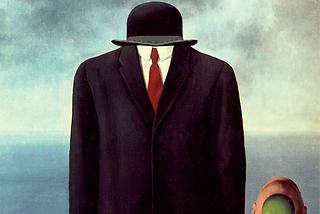













*Imagine it’s 1956. Soviet leader Nikita Khrushchev famously declared that the USSR “would bury” all Western ambassadors.
This was a different time than we know now. Life was increasingly becoming black and white. You either sided with capitalism and the idea of freedom, or communism and the idea of equality. There were a few countries somewhat on the fence like France, but all in all, you knew where people stood. So you built up a big arsenal of nukes to show the other guy you were serious, or just sided with one of the few who had them.
Enter today. The U.S. is at war with fundamentalist militants across the world. The Soviets are no longer communists and their economy slightly resembles the Wild Wild West. China sells American Average Joes their toys from WalMart, and buys American luxury goods and treasury bonds. Europe is scrambling in the middle trying to work together in the EU, yet still maintain their separate identities. There really are no clear black and white lines the way there used to be. Oh, and a lot of people have nukes now–even developing nations.
OK, so enough nerding out about geopolitics. It’s no secret I’ve been interviewing at various companies about social media positions. Over and over, I talk to HR reps who really don’t get how the whole online world works. The good ones just tell you about the companies and turn the interviews over to the hiring managers.
A recruiter or HR manager isn’t going to understand how good or bad someone can be in the social media landscape. Like geopolitics, marketing isn’t black and white anymore. You can’t just say, “My ad or blog post had (x) impressions and (x) conversions, so it was a success”. No, unlike TV programmers, that blogger KNOWS you bought that ad on their site, and might even know you. They might ask you to guest post, or connect them to someone who can. The lines between who is actually a publisher and who is a marketer are very fuzzy right now, and that is good and that can also be bad.
In the old days, you advertised and were covered by publishers that worked in clearly defined silos. CBS did not and could not reference NBC’s material. You wouldn’t read a piece referencing an Economist article in Time Magazine. Now, bloggers reference each other’s posts regularly. They form alliances with and against each other. It’s actually quite dramatic and even comical sometimes. Sometimes they ignore each other altogether and just reference your content (yay!). And if you care about SEO, you have to care about bloggers. They are the ones who give you links.
So while building a nuclear arsenal of Twitter or Facebook followers can’t hurt, it’s not as effective as understanding how to maintain relationships within those mediums. For example, I might have 5000 followers and you can have 400, but if you are just a phone call away from someone with one million, you can kick my butt. That’s why social media is all about relationships. It’s about understanding the subtle nuances in a blogosphere rife with drama and changing alliances. And yes, Community Managers have to be identifiable and accountable people to somehow to really work these relationships. We aren’t brands with logos painted on our faces. That would be like preventing an ambassador to a country from ever using their real name.
Quit focusing on building your social media nuclear arsenal and actually listen for a bit. You might actually learn something.
*This photo references the famous “shoe banging incident”, which is not when this quote was actually said. Very interesting to read about though.


![Reblog this post [with Zemanta]](http://img.zemanta.com/reblog_e.png?x-id=ac3ae729-daf2-43fa-bea9-78e22a8af32c)

